You can’t simply transplant a European company into Asia and expect an immediate fit. Tokyo and Seoul are not empty markets waiting to be unlocked, they are mature ecosystems with deep histories and tightly woven networks. Yet, with open minds and purposeful resolve, nine participants stepped into this challenge and came back richer in nuance and insight.
When our participants landed in Tokyo in early April, cherry blossoms still framed the city’s business districts and the week was opened with clear frameworks. Shibuya Startup Support, our head local partners, laid out the structural tools for entering Japan from startup visas to physical soft-landing zones like BRIDGE. We’ve been partners for many years and again their guidance was so helpful, thanks for that.
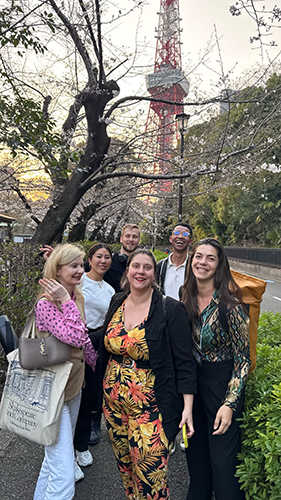
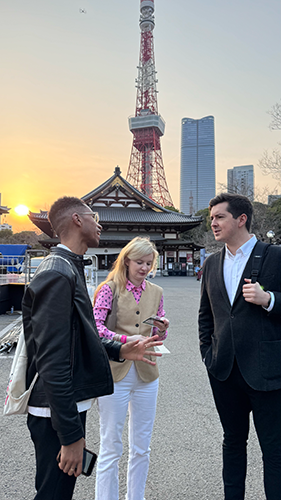
With new local partners like visits to 01Booster's and innovation hubs such as Tokyo Innovation Base showed us how Japanese investors think and how startups become part of a trusted network.
The week was anchored around the conference Takeoff Tokyo. For many participants, this was their first real exposure to Japan’s complex startup ecosystem. The chance to stand shoulder to shoulder with local entrepreneurs was invaluable. “Hearing from someone who’s in it, who built something from the ground up here, it changes your perspective” said a participant. For startups like nursIT Institute and Ailoys, who showcased their innovations with their own exhibition booths, it was a spotlight moment.
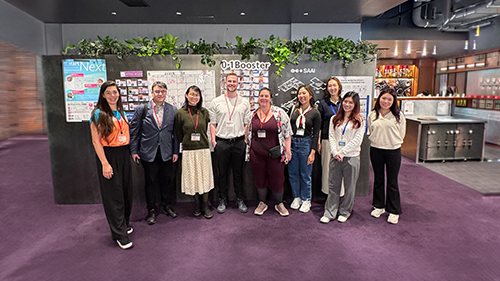
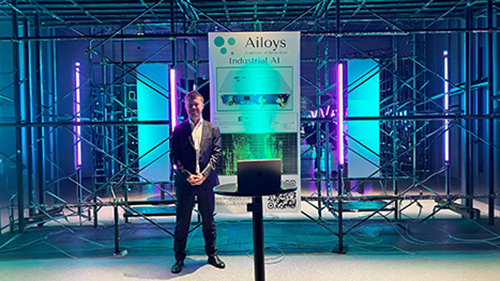
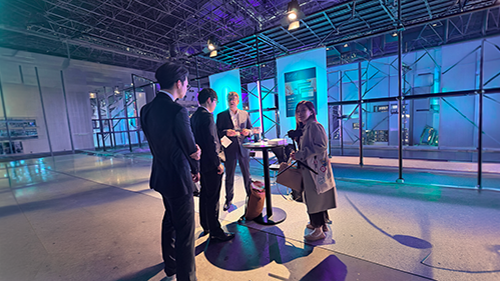
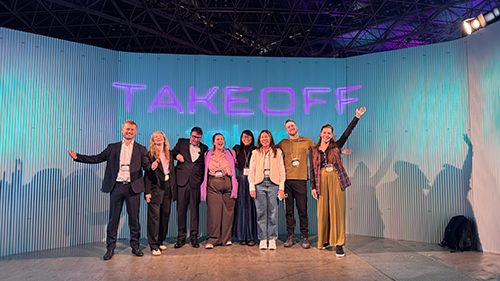
Community gatherings and network opportunities are where another big value is found. The local events at Shibuya and CIC’s Venture Café were places where real connections formed, where our founders could share doubts, get honest feedback and feel part of a larger ecosystem.
Japan’s market rewards depth over speed. As many foreign founders have observed, success here often requires immersion and incremental trust-building: “Breaking into a market like Japan is less about big wins and more about being present, learning the landscape firsthand and starting conversations that will bloom over time.
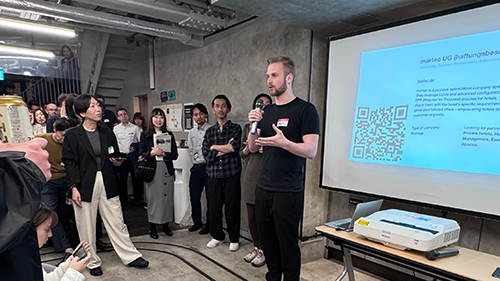
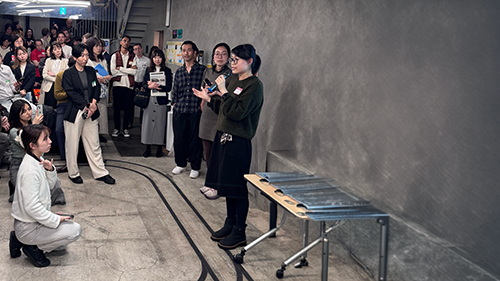
From Tokyo, we moved to Seoul and the contrast was immediate. Though Tokyo and Seoul sit relatively close on a map, their startup cultures are wired differently.
Our Seoul days began at Maru360, a dynamic hub that operates less as a fortress of formality and more as an open launchpad for international founders. Here, we explored K‑soft power, understanding how Korea’s global cultural assets translate into strategic leverage for business and brand expansion.
We end the day with our long time partners from KISED at the Global Startup Center. Founders, thinkers, and makers from all over the world converge here and benefitting from the free access to their co-working space. Showing again that Korea is hungry for international startups and as you can tell they have the infrastructure for it.
Stories like that of Chris, a founder of Kelvin Health who’s now been based in Seoul for nine years illustrate just how durable a presence can become when the ecosystem’s scaffolding is leveraged well.
The days that followed - from CCEI to Seoul AI Hub and investor visits like Nautilus, and gatherings at Draper Startup House Korea - highlighted a culture that prizes velocity without sacrificing depth: rapid experimentation, intense community exchange, and national support systems like K‑Startup Grand Challenge that extend meaningful grants, visas, and mentorship to international founders.
Yet, founders who have planted roots here note that the ecosystem’s speed doesn’t dilute its demands. Language differences, hiring dynamics, and the nuances of corporate expectations can shape experience in unpredictable ways. Personal referrals and community validation often matter more here than cold outreach, even more than digital platforms most founders abroad rely on.
Breaking into Asia is about grounding yourself in the local ecosystem and recognizing that relationship equity is often the currency that precedes financial investment. In Tokyo, that meant respecting tradition, learning how decisions are made, and embracing the long-view of trust-building. In Seoul, it meant harnessing structural support, immersing into communities with intentionality, and navigating an intensely collaborative but fast-moving landscape.
And perhaps the most resonant lesson of all? Real understanding can’t be synthesized by data alone, it’s born in conversations, networking on unexpected encounters
Expansion Lab is where the journey begins not ends. It’s where ambition meets groundwork, and where global visions start to take root, slowly but surely, in fertile new soil. In our next batch, we’ll scale what worked and refine what didn’t to go even deeper!
As the driving force behind Expansion Lab, betahausX is very happy to have the opportunity to become the central role in not just executing the program but curating every layer of the experience. From startup selection and curriculum design to the design of soft landing program, our role was clear: build trust, open doors, and create high-context moments that stick.
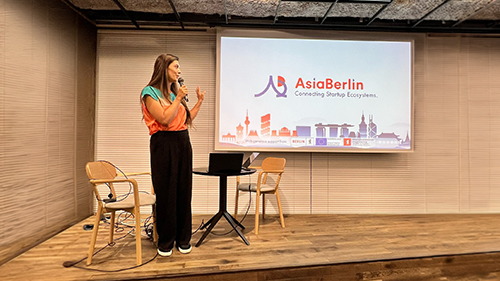
We’re proud to deliver this program under the AsiaBerlin umbrella, an initiative by the Berlin Senate Department for Economics that brings together entrepreneurs, policymakers, and ecosystem builders across both continents.