Expansion always seems simple on paper. Pick a market. Book a flight. Shake some hands. Pitch your product. Scale. That’s the theory, anyway.
In practice?
With Expansion Lab, we’ve guided startups through this enough times to know that growth isn’t a checklist you can simply tick off. While a structured four-week prep course (which we provide and which definitely helps) sets a foundation, it can’t prepare you for the real challenges: the subtle cultural nuances and the slow-building trust that varies with every city and community you enter.
Southeast Asia is frequently lumped into one broad market category, but that’s a dangerous oversimplification. Each city, country, and ecosystem operates with its own rhythm, its own decision-making style and its own expectations.So, our aim for Expansion Lab Year 2 was not just to learn how to enter a market, but to become fluent in its many voices.
Week 1 Indonesia
In fall 2024, we kicked off Year 2 of Expansion Lab by taking our first batch of eleven startups into Southeast Asia,
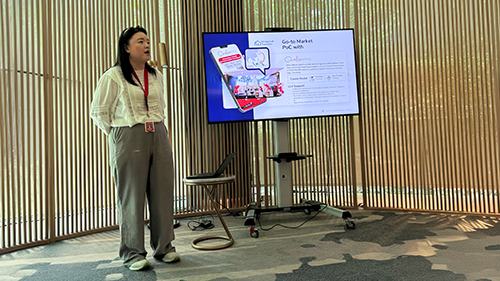
Indonesia is a country in motion with infrastructure evolving quickly and its appetite for innovation has grown a lot in recent years. Just a year after celebrating 30 years of the Berlin–Jakarta sister city partnership, it felt especially meaningful to start this new year of Expansion Lab there. Once again, our local partners at Hi Incubator helped us hit the ground running, opening the program at the Habibie Ainun Library, a place shaped by the legacy of B.J. Habibie, the former president and engineer who helped lay the foundation for Indonesia’s tech ambitions.
Jakarta doesn’t roll out the welcome mat for those just looking to make a sale. It opens up to those who show they’re here for the long haul, who build relationships first and bring their pitch decks later.
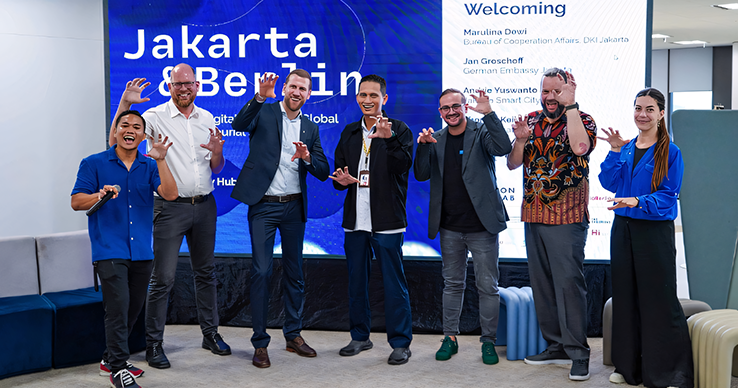
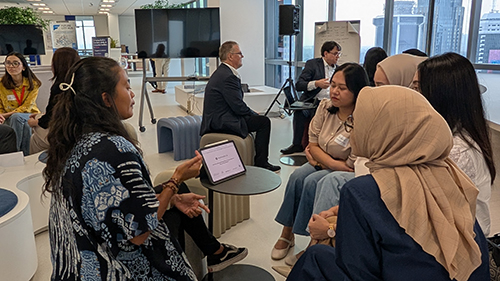
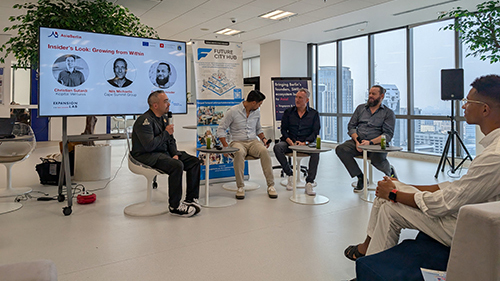
That spirit shaped the Jakarta Roundtable, co-hosted with Future City Hub, Jakarta Smart City, and several national agencies. The focus was on dialogue, not presentation. Government voices, from the Ministry of Health’s Digital Transformation Office to the Ministry of Communication and Digital sat alongside ecosystem builders and technologists in one shared conversation. The Acting Head of Jakarta Smart City opened with a refreshingly honest view of the government’s goals and growing pains. From there, we moved into a focused matchmaking session that paired founders with key local players, creating space for meaningful, grounded exchanges. A closing panel featuring Kopital Ventures’ Christian Sutardi, Cape Summit’s Nils Michaelis, and GIZ’s Daniel Schröder offered clear insights into investor expectations and the realities of public-private collaboration.
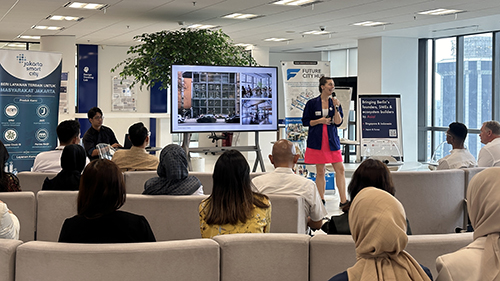
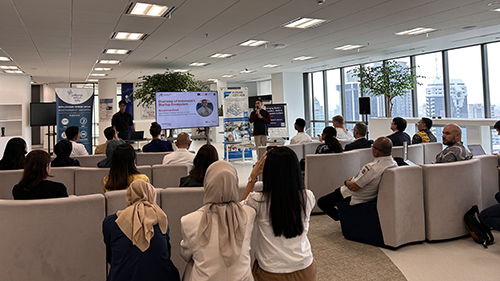
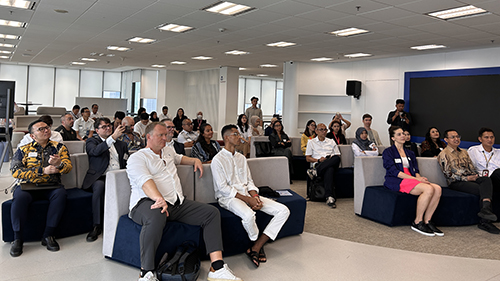
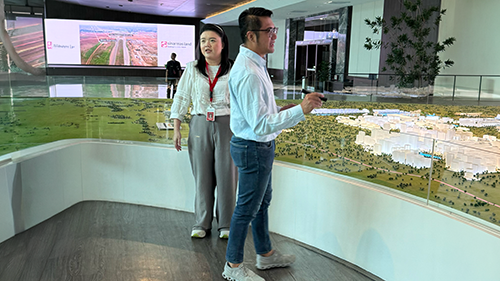
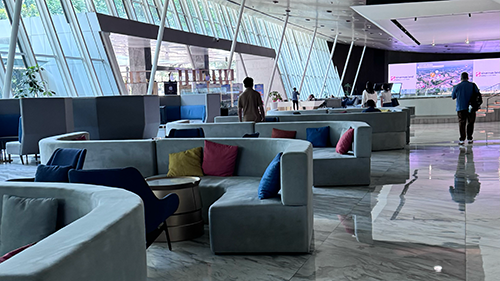
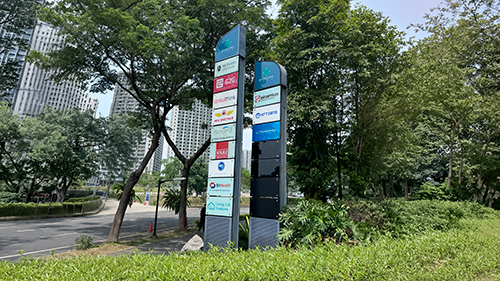
One of the clearest illustrations of Jakarta’s relationship-first approach came during our visit to Living Lab Ventures BSD Smart City, a 6,000-hectare “city within a city,” about half the size of Paris and one of Indonesia’s most forward-looking urban projects. Our participants had the chance to sit down with the Living Lab team, share their solutions, and explore how their technologies could be piloted within the city’s growing ecosystem.
This emphasis on personal connection became a defining feature of our week in Jakarta. Thanks to our local partner Hi Incubator, we prioritized highly individualized meetings for each participant, carefully matching founders with relevant local partners. They were curated opportunities to listen, adjust and engage. In Jakarta, the ecosystem opens through the patience of real dialogue and we learned that coming with intention and humility, people will give you their time and more importantly, their trust.
Week 2 Recap: Singapore
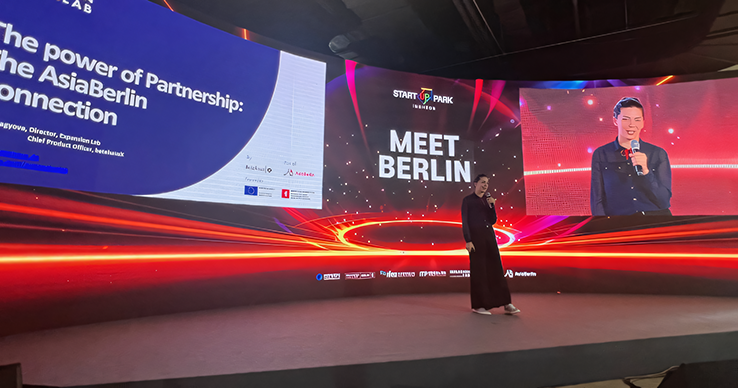
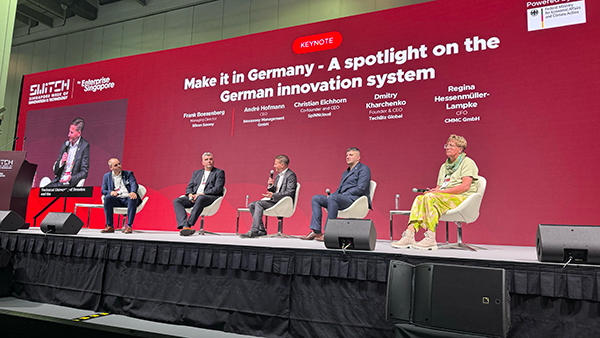
After a week in Indonesia, we landed in Singapore, a city-state engineered for execution. Where Jakarta asked us to listen, Singapore asked us to deliver. This leg of the program was designed to shift our participants from relationship-building to high-intensity engagement with Asia’s innovation ecosystem. SWITCH Festival 2024 gave us exactly the stage we needed. In a standout moment, one of our participants joined industry leaders like Frank Bösenberg, Regina Hessenmüller-Lampke, Andre Hofmann and Christian Eichhorn for the panel “Make it in Germany: A Spotlight on the German Innovation System.” They exchanged on what founders actually need to scale across borders.
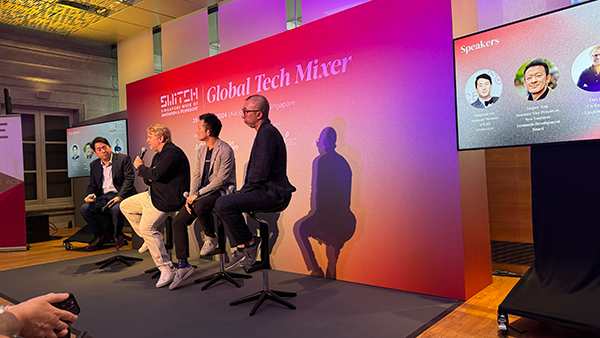
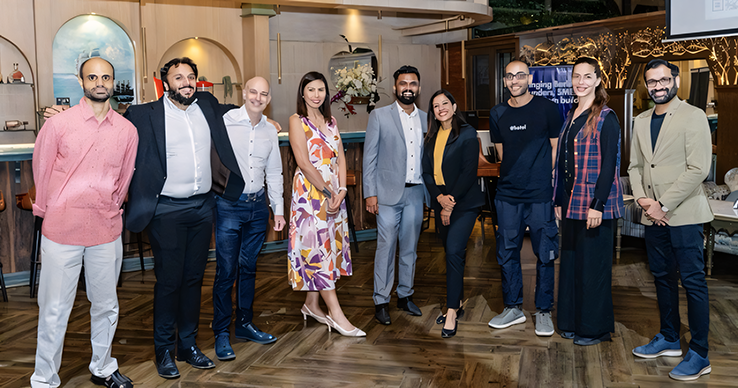
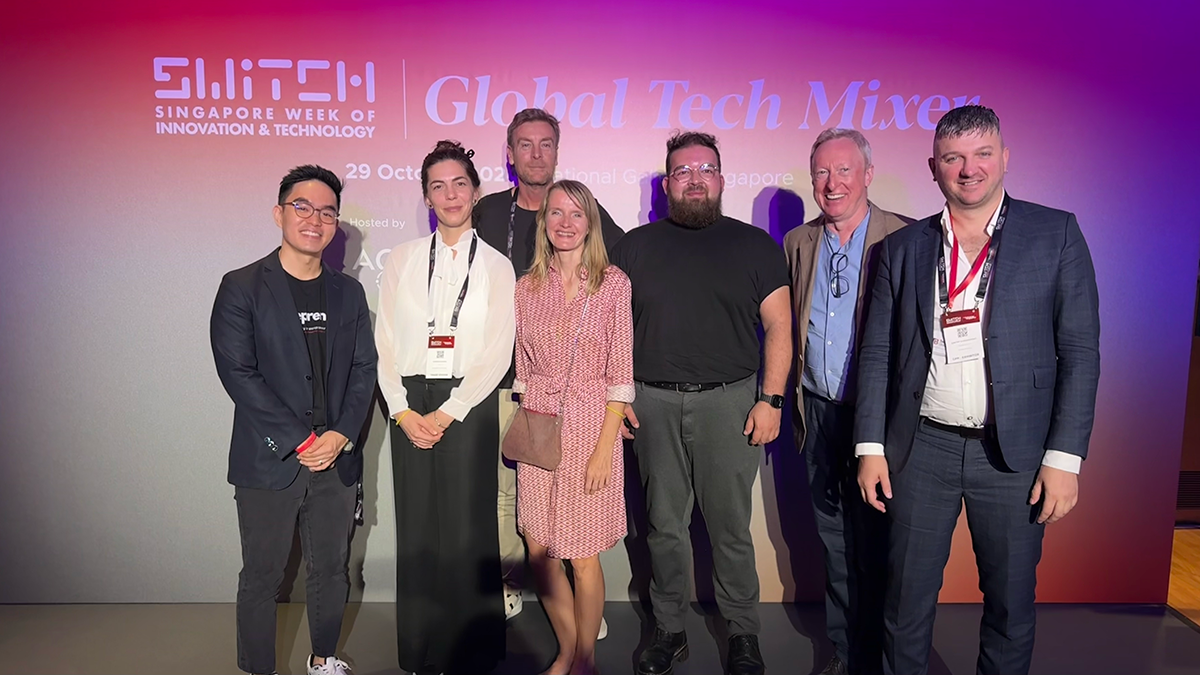
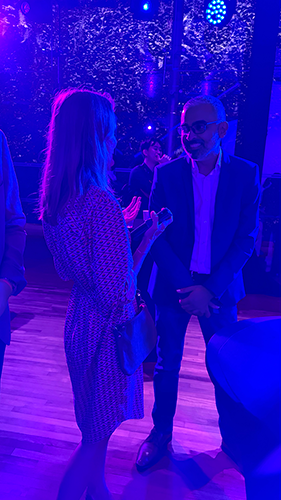
We also joined the SWITCH Global Tech Mixer, hosted at the National Gallery and organized in collaboration with ACE.SG. Behind the polished venue and curated guest list was an intent: to connect our participants with Singapore's most influential stakeholders. Our founders heard from investors like Tim Rath from Lazada, Thaddeus Koh (e27), and Jasper Ang (EDB) who brought unfiltered views on Asia’s tech landscape, how it’s evolving and where the opportunities are in Singapore.
A familiar insight, but a powerful reminder about Singaporean institutions who are not only investing boldly but also embracing innovation with a forward-leaning mindset. Through panel discussions hosted with ACE.SG and deeper 1:1s with healthtech and edtech leaders, we saw an openness to cross-border pilots built not just on support, but on shared ambition and mutual value creation.
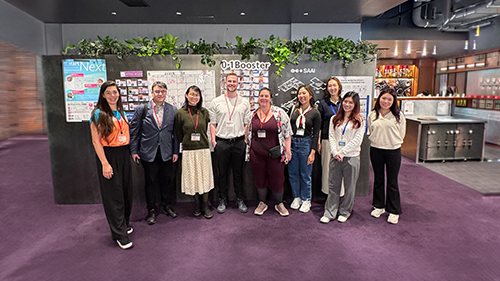
We closed the onsite experience with a visit to Draper Startup House Singapore, our local partners who we connect with very well and our participants were engaged in intimate and fruitful founder-to-founder chats. The real talk about navigating funding gaps, hiring too fast, launching too early, or not early enough.
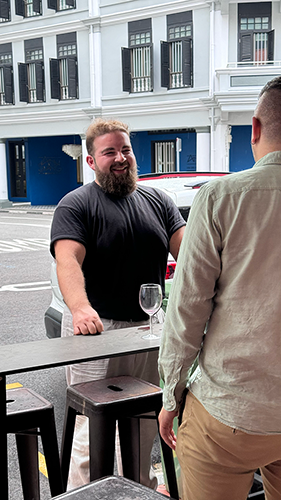
What these two weeks made clear is this: expanding into Southeast Asia means learning to operate in more than one gear. Jakarta taught us to lead with relationships, to earn trust before asking for anything in return. Singapore pushed us to be sharp, specific and ready to deliver. Both demanded fluency, not just in language but in intent. This isn’t about adapting your pitch. It’s about adapting your approach. Growth here doesn’t reward speed alone, it rewards awareness. And the startups that thrive won’t be the ones who talk the most, but the ones who know when to listen and when to step forward with something worth saying.
As the driving force behind Expansion Lab, betahausX is very happy to have the opportunity to become the central role in not just executing the program but curating every layer of the experience. From startup selection and curriculum design to the design of soft landing program, our role was clear: build trust, open doors, and create high-context moments that stick.
We’re proud to deliver this program under the AsiaBerlin umbrella, an initiative by the Berlin Senate Department for Economics that brings together entrepreneurs, policymakers, and ecosystem builders across both continents
Are you interested in joining Expansion Lab? Our next batch to India & Singapore is now open!