GMEP 2025: Korean startups expanding into Europe with betahausX

Challenges

  • Multi-partner consortium involving 5 partners from 3 countries and 3 time zones: South Korea (government agency and Korean accelerator), Vertical from Finland and betahausX from Germany (two program operators in Europe)
  • Large scale program with 20 participating companies with diverse products, challenges, strategies and market readiness
  • The logistics complexity: The delegation was of 35+ persons

Constraints

  • Time: 05-12.2025
  • Budget: 100k+
  • Geography: South Korea, Germany, Finland
  • Stakeholders: Korean government, KISED, KAIA, Nautilus Investment, Vertical, betahaus

Outcomes

Quantitative Results

  • 2 European countries,
  • 20 startups participated
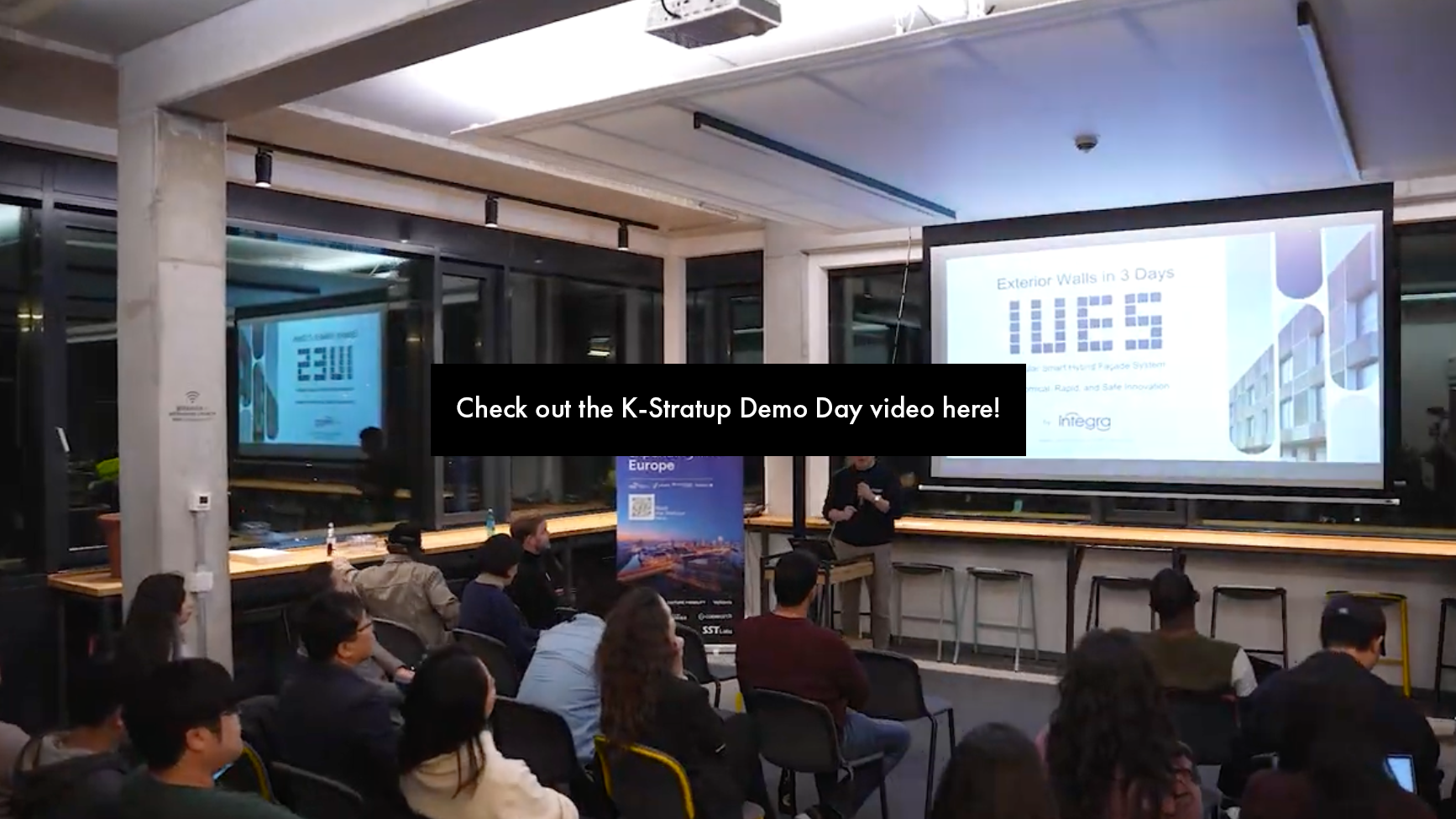
  • 2 K-Startup Demo Days organised (one in Helsinki, one in Berlin)
  • 2 major shows attended (Slush and AsiaBerlin Summit)
  • 10+ networking events attended
  • 10+ innovation hubs visited
  • 10+ MOUs signed by Korean companies with European partners
  • 15+ workshop and coaching sessions
  • 50+ business meetings

Qualitative Impact

  • Market confidence & clarity: Founders gain a realistic understanding of European market dynamics, customer behavior, and regulatory environments, reducing uncertainty around expansion.
  • Stronger positioning & narrative: Startups refine their value proposition and pitch to resonate with European customers, partners, and investors.
  • High-trust relationships: Builds meaningful, long-term connections with parntners and ecosystem players—beyond transactional meetings.
  • Cultural & operational readiness: Teams develop the mindset and capabilities needed to operate effectively in a different business culture.
  • Ecosystem integration: Startups move from “outsiders” to embedded players within the European innovation landscape, increasing their credibility and visibility.

What is this initiative?

Hosted by betahausX & Vertical | Germany & Finland

Empowering 20 Korean startups to scale in Europe.

The Global Market Expansion Program 2025 (GMEP 2025) is an international acceleration initiative jointly hosted by betahausX in Germany and Vertical in Finland. The program brings together 20 of Korea’s most innovative startups across sectors such as clean energy, smart mobility, AI, robotics, digital safety, and sustainable construction — all aiming to expand into the European market.

Through a dynamic cross-border experience in Berlin and Helsinki, participants receive hands-on mentoring, business connections, and access to leading corporate partners. The program provides deep insights into local ecosystems, regulatory frameworks, and business culture, enabling founders to validate their products and establish strong international partnerships.

Backed by the Korea Institute of Startup & Entrepreneurship Development (KISED) and supported by the Korea Agency for Infrastructure Technology Advancement (KAIA), together with key European innovation networks, GMEP 2025 builds bridges between Korea and Europe — fostering technology exchange, sustainable innovation, and long-term collaboration.

Together, we’re accelerating cross-boarder impact!

👉 Explore the startups shaping the future through the GMEP 2025 program!

Primary Goals
  • Providing startups with market expansion training and creating business opportunities
  • Exploring the innovation and startup ecosystem in Europe
  • Participating and exhibiting on the major events: Slush, AsiaBerlin Summit

STRATEGY & EXECUTION

1. Position as EU market-entry gateway

  • Act as the bridge between Korean innovation and European ecosystems
  • Focus on: partnerships, market insights, market entry and exposure

2. Deliver tangible expansion outcomes and learnings

  • Program success = business meetings, partner matchings and partnerships
  • Align with GMEP goal: globalization + overseas expansion support

3. De-risk European entry for startups

  • Solve: market complexity, cultural gaps, and ecosystem access
  • Provide structured pathway
  • Product feedback from industry experts

4. Leverage ecosystem as core asset

  • betahaus = platform connecting startups to:
    • corporates
    • mentors
    • local partners
    • investors

Key Tactics Used (EXECUTION)

1. Program design (multi-phase journey)

Typical flow (adapted from GMEP logic):

  • Preparation: market readiness, positioning, strategy
  • Localization: legal, cultural, GTM adaptation
  • Activation: meetings, feedback, partner intro
  • Showcase: demo day + visibility

2. Hands-on support & mentoring

  • Coaching and mentoring by EU experts
  • Market-specific workshops (legal, sales, fundraising)
  • Continuous feedback on strategy and pitch

3. Business development & matchmaking

4. Ecosystem immersion (Berlin as entry point)

  • On-site program at betahaus (community + credibility)
  • Events, meetups, and exposure to EU startup scene
  • Participation in the major shows like Slush or AsiaBerlinSummit

5. Demo Day & visibility layer

  • Final showcase with ~20 startups pitching to ecosystem
  • Drives:
    • insightful conversations
    • partnerships
    • PR & legitimacy

6. Ongoing support & outcomes tracking

  • Follow-up after program:
    • pilots launched
    • deals closed
    • expansion progress (e.g. exports, test markets)

Check out our Landing Pad section → Landing Pads

In 2026 betahausX will host another edition of GMEP with expanding Korean companies , we will again host  20 startups looking for their market opportunities

About d.quarks and betahausX

Auf diese Fragen müssen alle Unternehmen und Organisationen schnell eine Antwort finden: Wie bleiben wir zukunftsfähig? Wie werden wir nachhaltiger? Mit welchen Geschäftsmodellen sind wir im digitalen Zeitalter genauso erfolgreich wie in der Vergangenheit? Unsere Partnerschaft hilft Antworten zu geben, denn wir verbinden den Zugang und das Wissen von Berlins ältester Startup-Community betahaus mit der Transformationserfahrung im Mittelstand und bei Familienunternehmen von d.quarks.

Mit Haltung gehen wir neue Wege.Wir machen Mut, mit den Veränderungen jetzt anzufangen und befähigen Menschen die Transformation selber durchzuführen.Dafür teilen wir unser Wissen, damit sich unsere Kunden in ihrer eigenen Geschwindigkeit verändern können. Dazu schaffen wir Dialogräume und entwickeln positive besetzte Zukunftsbilder.Wir arbeiten mit anderen kollaborativ, partizipativ und kokreativ zusammen.

Conclusion